DIY Hot Water Heater Maintenance

Amber Abram
Marketing
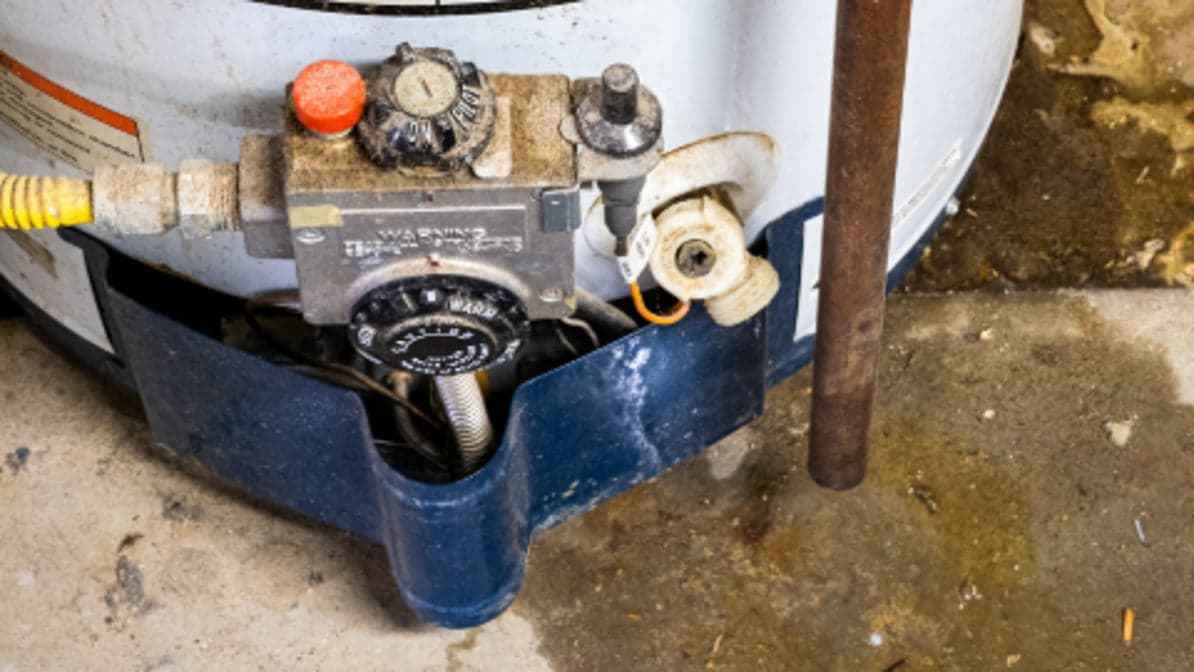
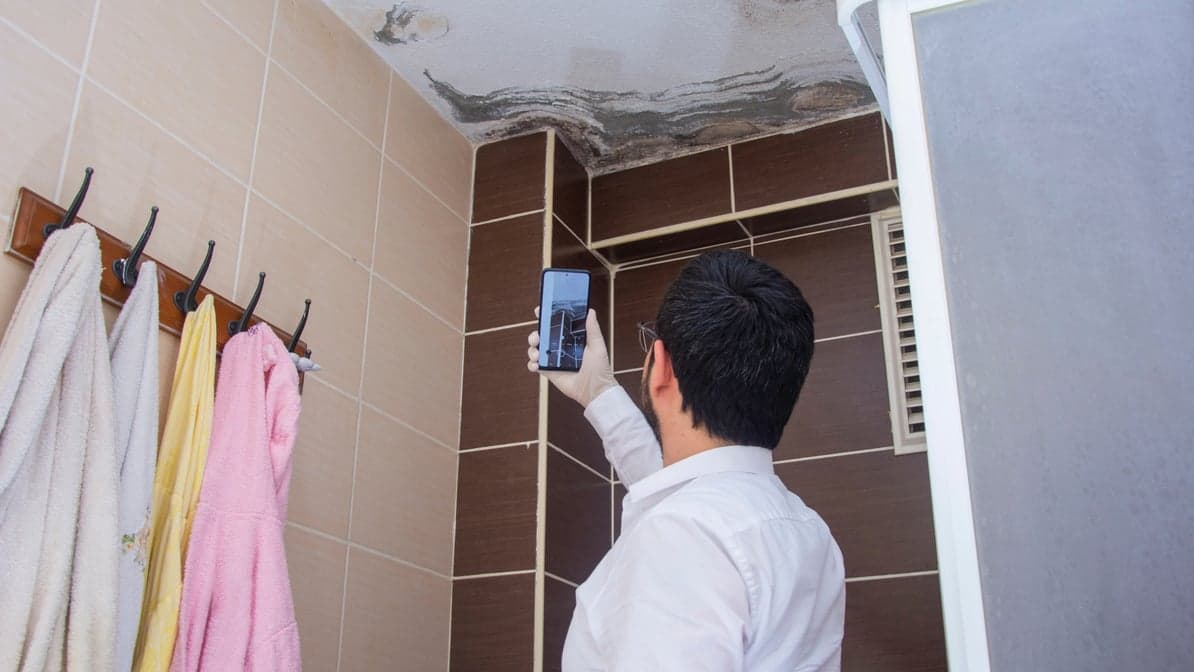
Over time, sediment builds up, pressure fluctuates, fittings loosen, and parts wear out. Minor issues can turn into leaks or tank failures that flood floors, damage walls, and ruin personal property.
Water damage is one of the most common homeowner insurance claims, responsible for over 22% of losses and averaging more than $12,000 per claim. Yet fewer than one in five homeowners take regular preventive steps such as checking pipes and appliances. Regular maintenance and early leak detection can significantly reduce the risk of costly water damage claims.
Call in trained professionals to replace pressure relief valves and thermostats, inspect gas or electrical components, address rusted tanks and corrosion issues, and service any units over 10 years old.
Maintenance You Can Do Yourself:
Leak Checks
Even small drips can signal developing problems. Check the base of the tank and the supply lines every month.
Temperature
A temperature setting of 120 is hot enough to kill bacteria and slow mineral buildup, and it is safe for children and older adults prone to scalding.
Pressure Lever
Lift the small brass safety lever on the side (or top) of the tank briefly twice a year to make sure it moves freely and isn't stuck.
Flushing
Draining a few gallons through the drain valve once or twice a year can help prevent corrosion caused by sediment buildup that stresses the tank.
Anode Rods
This sacrificial rod prevents tank corrosion. Inspect each year and replace if heavily corroded.
Insulation
An insulation blanket can reduce heat loss, lower energy bills, and slow corrosion. (Follow the manufacturer's guidelines.)
About the author
Amber Abram
Amber has over 25 years of experience connecting with tourism, media, and PropTech audiences through print, out-of-home, publishing, events, and digital marketing.